
Licensing (7)
Developers can easily use Spire Series Products for Java directly in their Maven Projects with simple configurations. E-iceblue hosts all Java APIs on Maven repository. In this article, we’ll show you how to install Spire Series Products for Java from Maven.
Firstly, please specify e-iceblue Maven Repository configuration / location in your Maven pom.xml as below:
<repositories>
        <repository>
            <id>com.e-iceblue</id>
            <name>e-iceblue</name>
            <url>https://repo.e-iceblue.com/nexus/content/groups/public/</url>
        </repository>
</repositories>
Then, Specify Maven dependencies for Spire products in the POM.xml file. The following lists the main products configuration sample for your reference.
Please use Spire.Office for Java if you need to operate multiple file formats in the same program, such as Word, Excel, PDF, or other formats. Otherwise, using more than one Spire products in the same program will cause program conflicts and result in exceptions.
Spire.PDF for Java
<repositories>
    <repository>
        <id>com.e-iceblue</id>
        <name>e-iceblue</name>
        <url>https://repo.e-iceblue.com/nexus/content/groups/public/</url>
    </repository>
</repositories>
<dependencies>
    <dependency>
        <groupId>e-iceblue</groupId>
        <artifactId>spire.pdf</artifactId>
        <version>10.4.4</version>
    </dependency>
</dependencies>
Spire.Doc for Java
<repositories>
    <repository>
        <id>com.e-iceblue</id>
        <name>e-iceblue</name>
        <url>https://repo.e-iceblue.com/nexus/content/groups/public/</url>
    </repository>
</repositories>
<dependencies>
    <dependency>
        <groupId>e-iceblue</groupId>
        <artifactId>spire.doc</artifactId>
        <version>12.4.6</version>
    </dependency>
</dependencies>
Spire.XLS for Java
<repositories>
    <repository>
        <id>com.e-iceblue</id>
        <name>e-iceblue</name>
        <url>https://repo.e-iceblue.com/nexus/content/groups/public/</url>
    </repository>
</repositories>
<dependencies>
    <dependency>
        <groupId>e-iceblue</groupId>
        <artifactId>spire.xls</artifactId>
        <version>14.4.1</version>
    </dependency>
</dependencies>
Spire.Presentation for Java
<repositories>
    <repository>
        <id>com.e-iceblue</id>
        <name>e-iceblue</name>
        <url>https://repo.e-iceblue.com/nexus/content/groups/public/</url>
    </repository>
</repositories>
<dependencies>
    <dependency>
        <groupId>e-iceblue</groupId>
        <artifactId>spire.presentation</artifactId>
        <version>9.4.5</version>
    </dependency>
</dependencies>
Spire.Office for Java
<repositories>
    <repository>
        <id>com.e-iceblue</id>
        <name>e-iceblue</name>
        <url>https://repo.e-iceblue.com/nexus/content/groups/public/</url>
    </repository>
</repositories>
<dependencies>
    <dependency>
        <groupId>e-iceblue</groupId>
        <artifactId>spire.office</artifactId>
        <version>9.3.1</version>
    </dependency>
</dependencies>
Additionally, if you want to configure the FREE Spire products, just change the artifactId and version as follows:
Free Spire.PDF for Java
<dependencies>
    <dependency>
        <groupId>e-iceblue</groupId>
        <artifactId>spire.pdf.free</artifactId>
        <version>5.1.0</version>
    </dependency>
</dependencies>
Free Spire.Doc for Java
<dependencies>
    <dependency>
        <groupId>e-iceblue</groupId>
        <artifactId>spire.doc.free</artifactId>
        <version>5.2.0</version>
    </dependency>
</dependencies>
Free Spire.XLS for Java
<dependencies>
    <dependency>
        <groupId>e-iceblue</groupId>
        <artifactId>spire.xls.free</artifactId>
        <version>5.1.0</version>
    </dependency>
</dependencies>
Free Spire.Presentation for Java
<dependencies>
    <dependency>
        <groupId>e-iceblue</groupId>
        <artifactId>spire.presentation.free</artifactId>
        <version>5.1.0</version>
    </dependency>
</dependencies>
Free Spire.Office for Java
<dependencies>
    <dependency>
        <groupId>e-iceblue</groupId>
        <artifactId>spire.office.free</artifactId>
        <version>5.3.1</version>
    </dependency>
</dependencies>
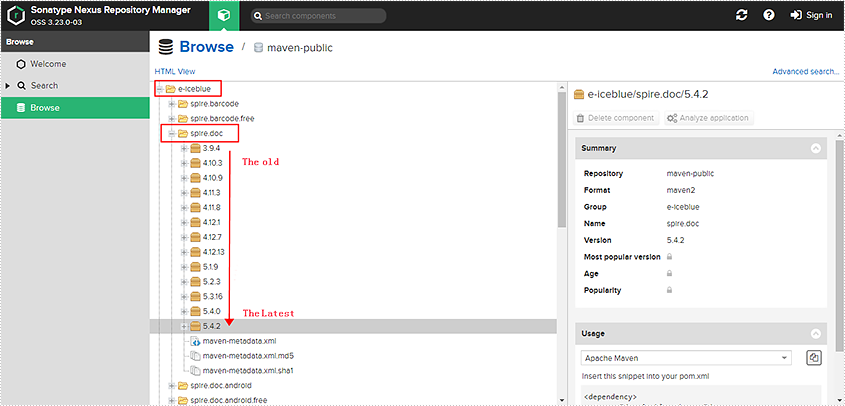
Kindly Reminder: You can query the historical versions of all Spire Java products in the Maven repository. Take Spire.Doc for Java as an example, all versions of the product are available in the e-IceBlue/spIre.doc/folder path:
Please use Spire.Office for Java or Free Spire.Office for Java if you need to operate multiple file formats in the same program, such as Word, Excel, PDF, or other formats. Otherwise, using more than one Spire products in the same program will cause program conflicts and result in exceptions.
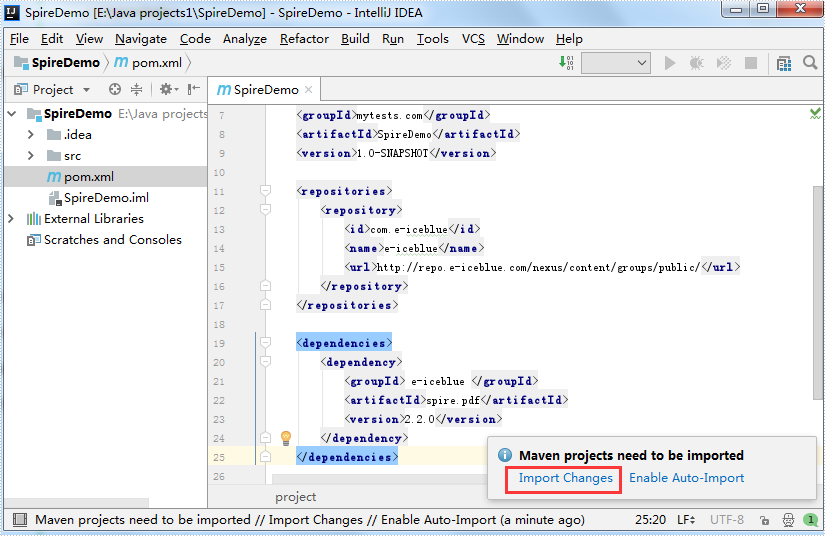
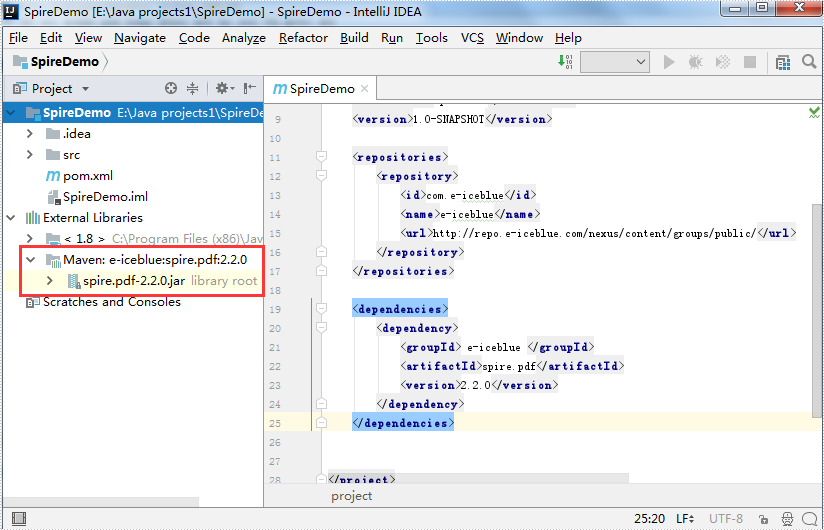
For IDEA, you only need to click "Import Changes" to import the Spire jars.
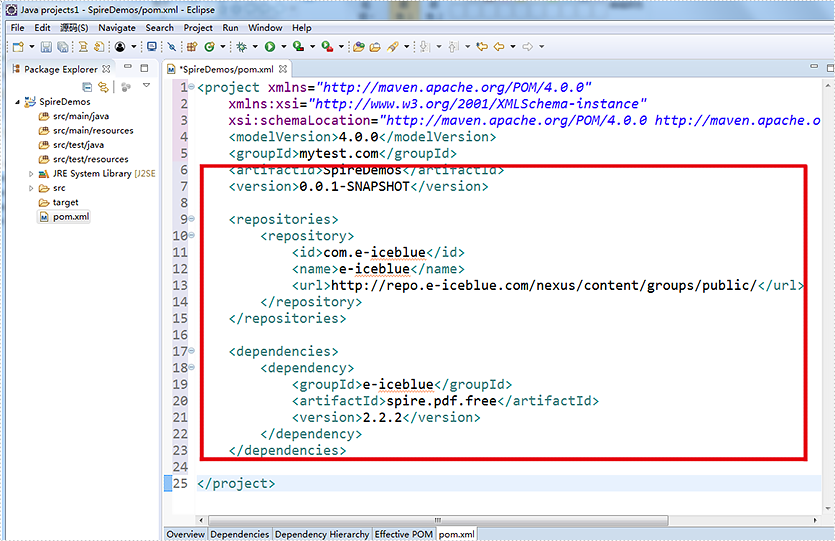
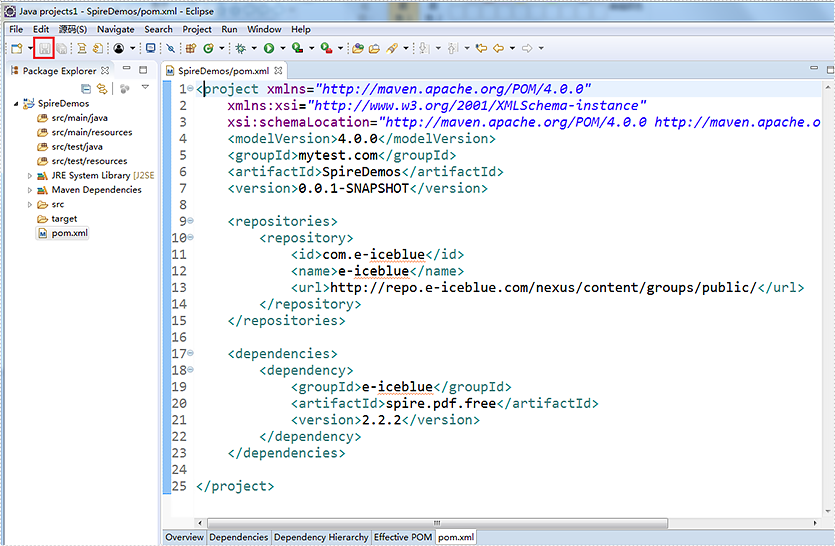
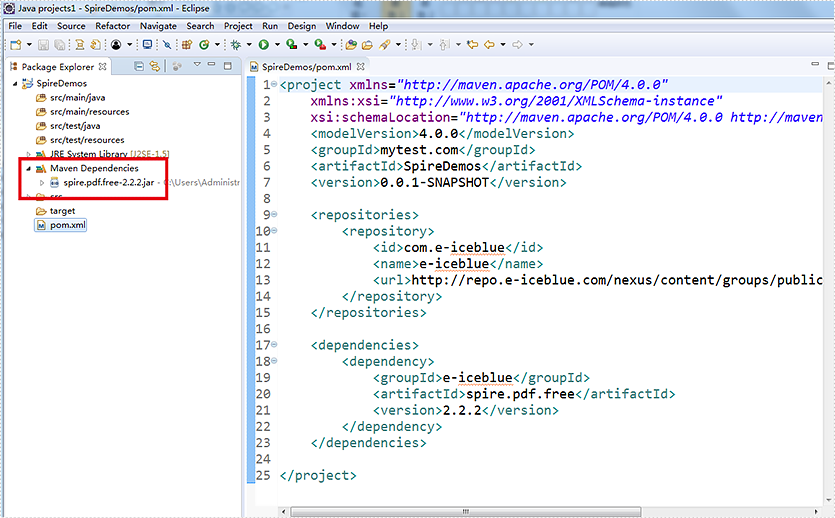
For Eclipse, you only need to click the "Save" button, then Spire jars will be downloaded automatically.
Now you have successfully defined the Spire Series Product for Java dependency in your Maven project.
Step details for IDEA
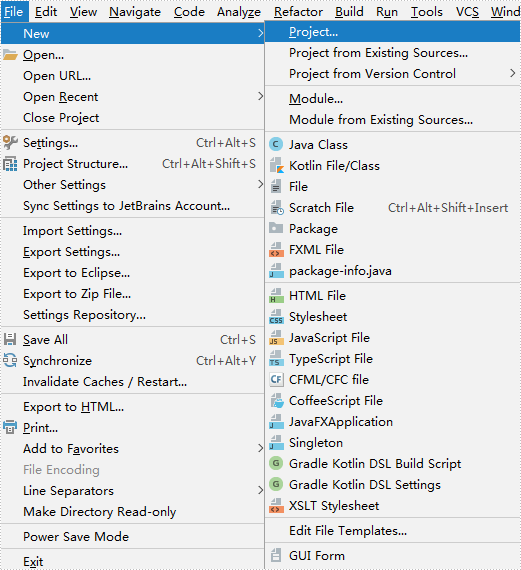
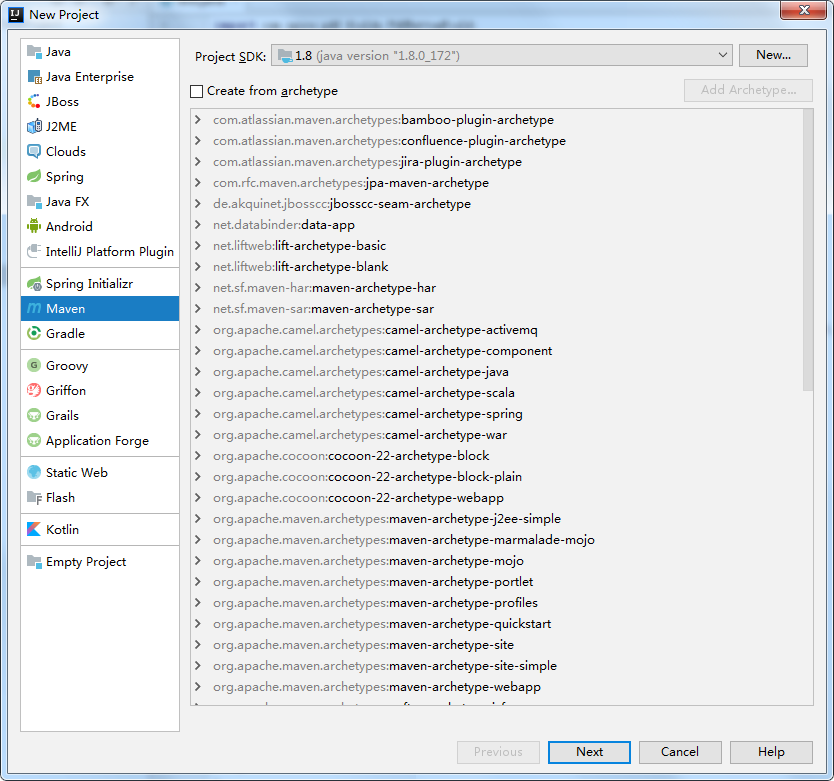
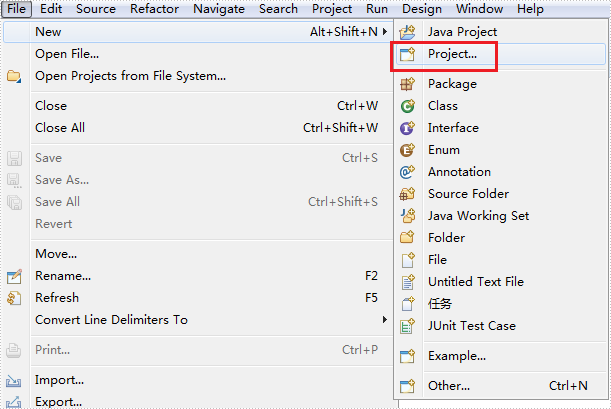
Create a new Maven Project: File - New - Project
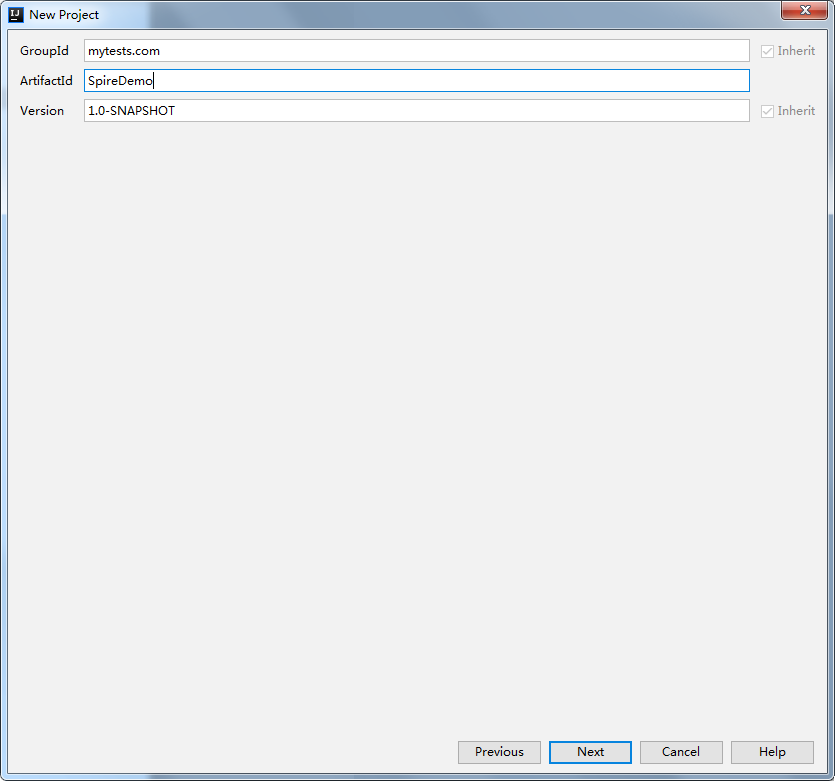
Set the GroupId for the project:
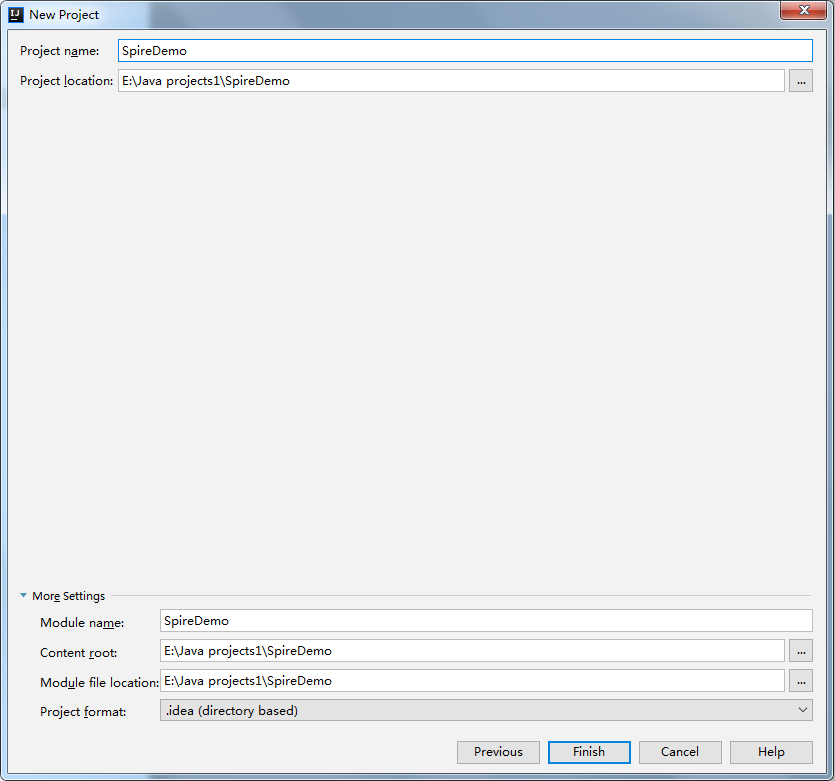
Update the porm.xml and then Import Changes:
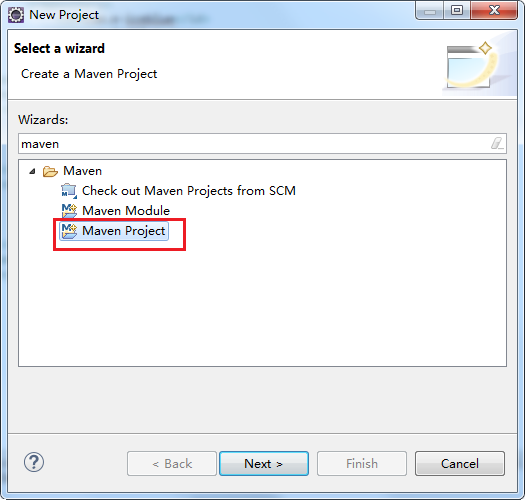
Step details for Eclipse
Create a new Maven Project:
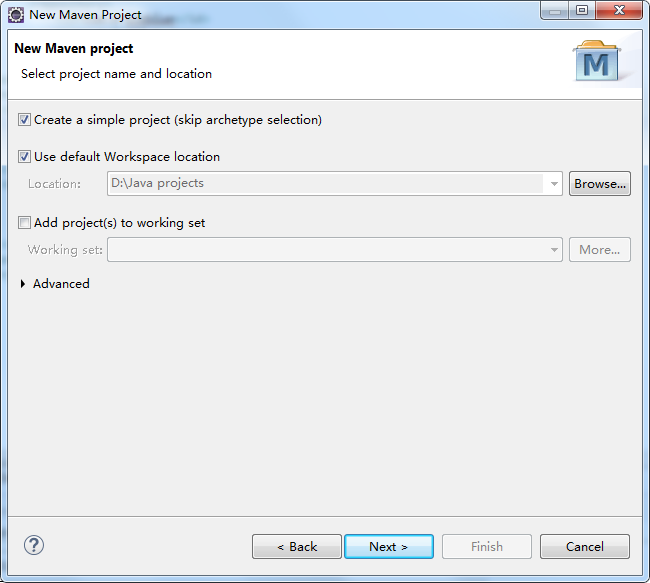
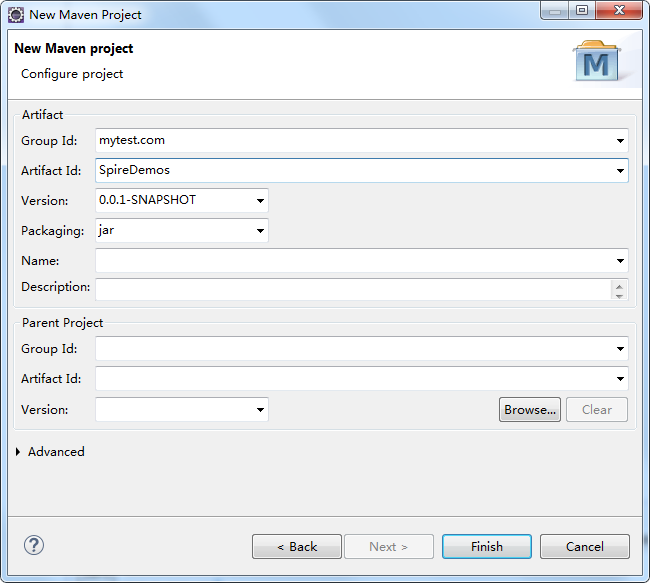
Define the location and set the Group ID:
Update the pom.xml and then click Save button:
Coupon Code for PayPal
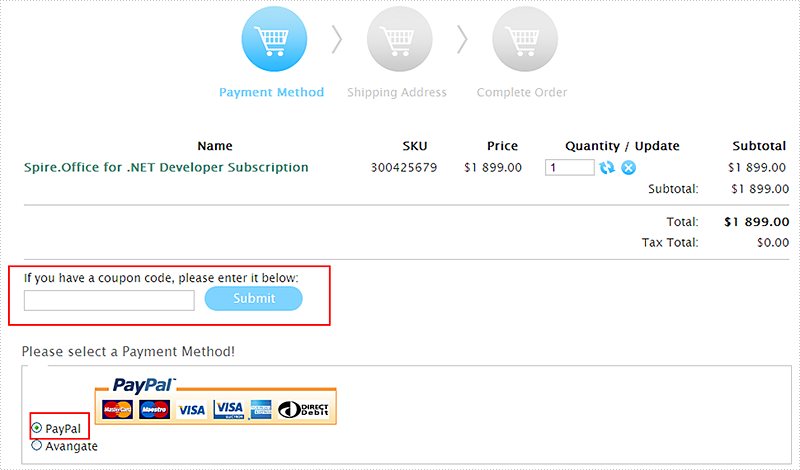
Select "PayPal" as payment method, input coupon code as the image below. Press "Submit" Button.
Coupon Code for 2Checkout
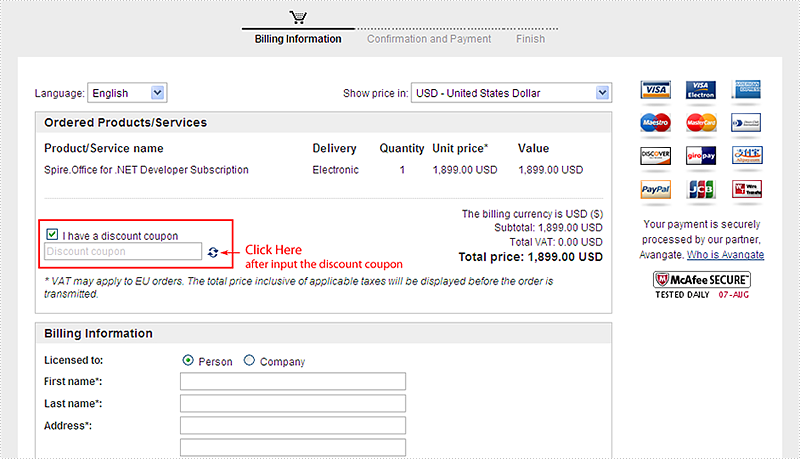
Select "2Checkout" as payment method, when you confirm your order, input coupon code as the image below. Click "Next" button.
BY INSTALLING, DOWNLOADING, COPYING OR OTHERWISE USING THE PRODUCT, YOU AGREE TO BE BOUND BY THE TERMS OF THIS EULA. IF YOU DO NOT AGREE TO THE TERMS OF THIS EULA, DO NOT INSTALL, DOWNLOAD, COPY OR USE THE PRODUCT.
1. IMPORTANT NOTICE.
YOU SHOULD READ THE FOLLOWING TERMS AND CONDITIONS CAREFULLY BEFORE YOU DOWNLOAD, INSTALL OR USE E-ICEBLUE'S LIBRARY AND RELATED DOCUMENTATION (THE "LICENSED SOFTWARE") DISTRIBUTED UNDER THE TRADEMARK OF LIBRARY AND/OR E-ICEBLUE. BY INSTALLING OR USING THE LICENSED SOFTWARE, YOU AGREE TO BE BOUND BY THIS LICENSE AGREEMENT, AND ITS TERMS SHALL BE BINDING WITH RESPECT TO YOUR USE OF THE LICENSED SOFTWARE. IF YOU DO NOT AGREE TO THE FOLLOWING TERMS AND CONDITIONS, DO NOT INSTALL OR USE THE SOFTWARE.
2. DEFINITIONS.
A. "e-iceblue" means e-iceblue Corporation
B. "You" and "Your" mean the party purchasing a license to use the Licensed Software under the terms of this agreement.
C. "Application Programming Interface or API" means a publicly accessible interface defining the ways by which an application program may request services from libraries and/or software.
D. "Licensed Software" means compiled Objects, Modules, License Key and any and all updates thereto, together with all associated documentation provided by e-iceblue or its authorized resellers.
E. "License Key" means a unique code provided by e-iceblue or its authorized resellers which identifies You, as well as the license type, and which unlocks or enables certain features of the Licensed Software.
F. "Application" or "Your Application" means a software application that You develop which incorporates all or parts of the Licensed Software.
G. "Evaluation Trial Period" means a specified period of time during which You may temporarily use the Licensed Software for evaluation purposes only.
3. LICENSE GRANT.
The Cumulative License granted to You by e-iceblue is a combination of the Base License Grant, described in section (3A) below, which is common to every Licensed Software title covered by this agreement, and one or more supplemental License Grant which covers the specific product obtained by You from e-iceblue or its authorized resellers.
Four basic types of supplemental License Grants are described in sections (3B): Evaluation License, Developer License, Developer OEM License, Site Enterprise License, Site OEM License.
These five basic types are hereby further defined and/or restricted as to the number of developers, servers, geography locations and distribution method(s), depending on the specific product(s) being licensed by You.
The precise combination of the Base License Grant and one or more supplemental License Grant(s) obtained by You is identified by e-iceblue at the time of purchase or most recent upgrade.
3A. BASE LICENSE GRANT.
In consideration of Your payment of applicable license fees and/or Your acceptance of the terms of this Agreement, e-iceblue hereby grants to You certain nonexclusive and nontransferable rights limited by the terms of this Agreement.
The Licensed Software is licensed (not sold) to You, for use strictly under the terms of this Agreement, and e-iceblue reserves all rights not expressly granted to You herein. If You upgrade the Licensed Software to a higher-numbered version thereof or to a comparable E-iceblue product, this license is terminated and Your rights shall be limited to the license associated with the upgraded product or version.
In addition, You acknowledge that the Licensed Software may contain certain third party software components which are distributed under the terms of their own licenses.
3B. EVALUATION LICENSE.
In order to facilitate an efficient evaluation process of the Licensed Software by developers, e-iceblue may, at its discretion, provide specially designed, temporary License Key(s) that are encoded with an embedded expiration date.
The License granted in conjunction with such License Key(s) is considered temporary, and multiple developers may use it for the sole purpose of evaluating the Licensed Software during a specific Evaluation Trial Period. Licensed Evaluation Trial Software contains mechanisms that inhibit its ability to function at a later date.
It is Your responsibility to ensure that the Applications You create do not contain Licensed Evaluation Trial Software and that their ability to function at a later date is not inhibited or diminished.
3C. DEVELOPER LICENSE.
The following terms and conditions contained in this section (3C) apply to You ONLY if at the time of original purchase or most recent upgrade, the License granted to You by E-iceblue was defined as "Developer License".
The specific license level selected by you at the time of purchase or most recent upgrade determines whether the license applies to (1) a single named developer, or (2) a team of named developers, for example a Developer Team, or (3) a single site (facility or campus) whereby an unlimited number of developers located within said site (facility or campus) may be allowed access to the Licensed Software.
You are hereby granted a nonexclusive, royalty-free license to integrate the Licensed Software into Your Applications and to distribute such Licensed Software in connection with said Applications, provided that
(a) said Applications do not in any way compete with the Licensed Software, or provide substantially the same functionality as the Licensed Software, or expose the functionality of the Licensed Software through a programmable interface;
(b) each of Your Applications developed using Licensed Software is substantially larger, more complex, and contains a significantly wider range of functions as compared to the Licensed Software;
(c) each of Your Applications developed using Licensed Software is designed for end users, rather than for developers who would be able to build other software that would compete with the Licensed Software, and
(d) You do not permit further distribution of the Licensed Software by Your end users.
You may embed the License Keys in the Applications You distribute, provided that the following conditions are met:
(a) each such Application must be marked with a prominent copyright notice bearing Your name as declared by You during purchase of the License;
(b) the License Key may not be embedded in any such Application or distributed in any other manner that makes the License Key visible to the end user, and
(c) each such Application must include the following comment in its source code within close proximity to each copy of an embedded License Key: "This application utilizes a licensed copy of e-iceblue software, copyright (c) 2004-2021, which is the property of e-iceblue Corporation, www.e-iceblue.com. All rights are reserved by e-iceblue.
Use of any objects outside of the context of this application is a violation of United States and international copyright laws and other applicable laws."
For each License Key provided to You by e-iceblue, depending on the specific license level selected by you at the time of purchase or most recent upgrade, You are granted a nonexclusive License to make the Licensed Software and/or the License Key(s) available either to the specified number of Your named developers or to an unlimited number of Your developers located at a single site (facility or campus) as indicated by e-iceblue and further explained below.
Should either the number of named developers or the number of sites with access to the Licensed Software and/or the License Key(s) ever exceed the number indicated at the time of original purchase or most recent upgrade, You agree to inform E-iceblue of such change and to upgrade Your License accordingly by paying an upgrade fee to e-iceblue in a timely manner.
- One Developer Small Business authorizes One developer to utilize our product to create an unlimited number of applications which can be deployed at One geographic location in your organization (internal use only). It does not allow distribution of your custom applications to third parties, public-facing websites, or SaaS/PaaS/IaaS projects.
- One Developer OEM authorizes One developer to create an unlimited of custom applications using our product, and the applications are allowed to be distributed in any form to any number of geographic locations.
- One Site Small Business authorizes up to 10 developers to create an unlimited number of applications which can be deployed at up to 10 geographic locations. It does not allow distribution of your custom applications to public-facing websites, or SaaS/PaaS/IaaS projects.
- One Site OEM authorizes up to 10 developers to create an unlimited number of custom applications using our product, and the applications are allowed to be distributed in any form to any number of geographic locations.
4. RESTRICTIONS ON USE AND TRANSFER.
You may not sublicense, rent, lease, assign or otherwise transfer the Licensed Software or any of Your rights thereto, either in whole or in part, to anyone else, except that You may, after obtaining written permission from e-iceblue, permanently transfer the Licensed Software in its entirety, provided You retain no copies of the Licensed Software and the transferee agrees to the terms and conditions of this Agreement.
Use of the Licensed Software with a License Key obtained from a source other than e-iceblue or its authorized resellers is expressly and strictly forbidden. e-iceblue reserves the right to take any and all actions that e-iceblue, in its sole discretion, deems necessary to protect against, monitor and control the use of the Licensed Software with illegal License Keys.
You agree to ensure that anyone who uses any portion of the Licensed Software provided to You complies with the terms and conditions of this Agreement.
5. INTELLECTUAL PROPERTY RIGHTS.
You acknowledge that the Licensed Software contains copyrighted material, trade secrets, trademarks and other proprietary material of e-iceblue ("Confidential Information"), and is protected under United States and international copyright law and other applicable laws.
You may not engage in any unauthorized use or disclosure of any Confidential Information. You agree that the source code of the Licensed Software is confidential and proprietary to e-iceblue. Accordingly, You may not copy the Licensed Software, or decompile, disassemble, reverse engineer or create a derivative work based upon the Licensed Software, or authorize anyone else to do so.
You must reproduce and maintain all copyright notices that are contained in the Licensed Software on any copy thereof that You make or use.
6. TERM AND TERMINATION.
Except as otherwise provided in this Agreement, depending on the specific license level selected by you at the time of purchase or most recent upgrade, the term of the license granted herein is either perpetual, or alternatively the license is periodic, valid for a specific period of time, such as a month or a year.
The license becomes effective when You install or use the Licensed Software. You may terminate this license at any time by destroying any and all copies of the Licensed Software or by returning all such copies to e-iceblue.
This Agreement and the associated license for the Licensed Software will terminate automatically and without provision of notice by e-iceblue if You fail to comply with any of the terms or conditions of this Agreement or if You cease permanent use of the Licensed Software, for whatever reason.
Upon termination of this Agreement for any reason, You agree that You will destroy all copies of the Licensed Software or return all such copies to e-iceblue. In addition to this sentence and the previous sentence, Sections 4, 5 and 7-13 shall survive any termination of this Agreement.
7. LIMITED WARRANTY.
e-iceblue warrants that the Licensed Software will perform substantially in accordance with its accompanying documentation, when operated in the execution environment specified in such documentation, for the warranty period ending thirty (30) days following the date on which You first install or first use the Licensed Software.
This limited warranty is void if failure of the Licensed Software to conform to such warranty is caused in whole or in part by
(a) any defect in any hardware or other equipment used with the Licensed Software;
(b) any failure of any hardware or any other equipment used with the Licensed Software to function in accordance with applicable manufacturer's specifications for such items;
(c) any alteration, modification or enhancement of the Licensed Software by You or anyone other than e-iceblue;
(d) any failure by You or anyone else to follow e-iceblue's instructions with respect to proper use of the Licensed Software; or
(e) improper use, abuse, accident, neglect or negligence on the part of You or anyone other than e-iceblue.
e-iceblue will not be obligated to honor the limited warranty or provide any remedy thereunder unless the Licensed Software is returned to e-iceblue along with the original dated receipt.
Any replacement Licensed Software will be warranted for thirty (30) days following the date on which e-iceblue provides it to You.
EXCEPT AS OTHERWISE SET FORTH IN THIS AGREEMENT, THE LICENSED SOFTWARE IS PROVIDED TO YOU "AS IS", AND E-ICEBLUE MAKES NO EXPRESS OR IMPLIED WARRANTIES WHATSOEVER WITH RESPECT TO ITS FUNCTIONALITY, CONDITION, PERFORMANCE, OPERABILITY OR USE.
WITHOUT LIMITING THE FOREGOING, E-ICEBLUE DISCLAIMS ALL IMPLIED WARRANTIES INCLUDING, WITHOUT LIMITATION, ANY IMPLIED WARRANTIES OF MERCHANTABILITY, FITNESS FOR A PARTICULAR PURPOSE OR FREEDOM FROM INFRINGEMENT.
SOME JURISDICTIONS DO NOT ALLOW THE EXCLUSION OF IMPLIED WARRANTIES, SO THE ABOVE EXCLUSIONS MAY NOT APPLY TO YOU.
THIS LIMITED WARRANTY GIVES YOU SPECIFIC LEGAL RIGHTS, AND YOU MAY ALSO HAVE OTHER RIGHTS THAT VARY FROM ONE JURISDICTION TO ANOTHER.
8. LIMITATIONS OF LIABILITY.
YOUR SOLE AND EXCLUSIVE REMEDY FOR ANY BREACH OF THE FOREGOING LIMITED WARRANTY SHALL BE, AT E-ICEBLUE'S OPTION, EITHER (A) REPAIR OR REPLACEMENT OF THE LICENSED SOFTWARE SO THAT IT CONFORMS TO THE FOREGOING LIMITED WARRANTY, OR (B) REFUND OF THE FEE THAT YOU PAID TO LICENSE THE LICENSED SOFTWARE.
IN NO EVENT SHALL E-ICEBLUE BE LIABLE FOR ANY DAMAGES OF ANY TYPE, WHETHER DIRECT OR INDIRECT, CONSEQUENTIAL, INCIDENTAL OR SPECIAL DAMAGES, INCLUDING WITHOUT LIMITATION, LOST REVENUES, LOST PROFITS, LOSSES RESULTING FROM BUSINESS INTERRUPTION OR LOSS OF DATA, REGARDLESS OF THE FORM OF ACTION OR LEGAL THEORY UNDER WHICH SUCH LIABILITY MAY BE ASSERTED, EVEN IF E-ICEBLUE HAS BEEN ADVISED OF THE POSSIBILITY OR LIKELIHOOD OF SUCH DAMAGES.
E-ICEBLUE SHALL HAVE NO LIABILITY WITH RESPECT TO ANY DATA THAT IS READ, ACCESSED, STORED OR PROCESSED WITH THE LICENSED SOFTWARE, OR FOR THE COSTS OF RECOVERING ANY SUCH DATA.
IN NO EVENT SHALL E-ICEBLUE'S MAXIMUM AGGREGATE LIABILITY UNDER THIS AGREEMENT EXCEED THE TOTAL FEES PAID OR PAYABLE BY YOU TO LICENSE THE LICENSED SOFTWARE.
SOME JURISDICTIONS DO NOT ALLOW THE LIMITATION OR EXCLUSION OF LIABILITY FOR INCIDENTAL OR CONSEQUENTIAL DAMAGES, SO THE ABOVE LIMITATION OR EXCLUSION MAY NOT APPLY TO YOU.
9. INDEMNIFICATION.
You agree to defend, indemnify, and hold E-iceblue and all of its employees, agents, representatives, directors, officers, partners, shareholders, attorneys, predecessors, successors, and assigns harmless from and against any and all claims, proceedings, damages, injuries, liabilities, losses, costs, and expenses (including reasonable attorneys' fees and litigation expenses), relating to or arising from Your use of the Licensed Software, or any breach of this Agreement, except to the extent such claim relates to or arises from a violation by e-iceblue of any third party copyright, trademark, trade secret or other intellectual property right.
10. EXPORT.
You agree that You will not export or transmit the Licensed Software or any Applications, directly or indirectly, to any restricted countries or in any manner that would violate United States laws and regulations as shall from time to time govern the license and delivery of technology abroad by persons subject to the jurisdiction of the United States government, including the Export Administration Act of 1979, as amended, and any applicable laws or regulations issued thereafter.
11. U.S. GOVERNMENT RESTRICTED RIGHTS.
If You are licensing the Licensed Software on behalf of the U.S. Government or any of its agencies ("Government"), the use, duplication, reproduction, release, modification, disclosure or transfer of the Licensed Software by the Government is subject to restricted rights in accordance with Federal Acquisition Regulation ("FAR") 12.212 for civilian agencies and Defense Federal Acquisition Regulation Supplement ("DFARS") 227.7202 for military agencies.
The Licensed Software is commercial. Use of the Licensed Software by the Government is further restricted in accordance with the terms and conditions of this Agreement.
12. MISCELLANEOUS.
If any provision of this Agreement is held to be invalid or unenforceable under any circumstances, its application in any other circumstances and the remaining provisions of this Agreement shall not be affected.
No waiver of any right under this Agreement shall be effective unless given in writing by an authorized representative of e-iceblue.
No waiver by e-iceblue of any right shall be deemed to be a waiver of any other right of e-iceblue arising under this Agreement.
This Agreement is solely between You and e-iceblue and shall not be construed to create any third party beneficiary rights in any other individual, partnership, corporation or other entity.
This Agreement shall be governed by and interpreted in accordance with the laws of the State of New York, without regard to its provisions governing conflicts of law.
Any and all disputes between You and e-iceblue pertaining to this Agreement shall be submitted to one arbitrator in binding arbitration within ten miles of New York City, New York in accordance with the Commercial Rules of the American Arbitration Association ("AAA").
The arbitrator shall be experienced in computer consulting, the development of custom software, the sale of packaged software, or related services.
If You and e-iceblue do not agree on an arbitrator within sixty (60) days of the institution of the arbitration, the arbitrator shall be chose by AAA.
Evidence and argument may be presented in person or by telephone, fax, postal mail, electronic mail, and other methods of communication approved by the arbitrator.
The prevailing party in such proceeding shall be entitled to recover its actually incurred costs, including reasonable attorney's fees, arbitration and court costs.
All hearings shall be held and a written arbitration award issued within one-hundred eighty (180) days of the date on which the arbitrator is appointed.
Judgment on the award shall be final and binding and may be entered in any court of competent jurisdiction.
13. ENTIRE AGREEMENT.
YOU AGREE THAT THIS AGREEMENT IS THE COMPLETE AND EXCLUSIVE STATEMENT OF THE AGREEMENT BETWEEN YOU AND E-ICEBLUE, AND THAT IT SUPERSEDES ANY PROPOSALS OR PRIOR AGREEMENTS, ORAL OR WRITTEN, AND ANY OTHER COMMUNICATIONS RELATING TO THE LICENSED SOFTWARE AND THE SUBJECT MATTER HEREOF.
E-ICEBLUE SHALL NOT BE BOUND BY ANY PROVISION OF ANY PURCHASE ORDER, RECEIPT, ACCEPTANCE, CONFIRMATION, CORRESPONDENCE OR OTHERWISE, OR BY ANY AGREEMENT BETWEEN YOU AND ANY OTHER PARTY, UNLESS E-ICEBLUE SPECIFICALLY AGREES TO SUCH PROVISION IN WRITING IN A FORM OF A LEGAL CONTRACT, DATED AND SIGNED BY YOU AND BY E-ICEBLUE'S OFFICER OR AUTHORIZED EMPLOYEE.
NO VENDOR, DISTRIBUTOR, PROVIDER, RESELLER, OEM, SALES REPRESENTATIVE, OR OTHER PERSON IS AUTHORIZED TO MODIFY THIS AGREEMENT OR TO MAKE ANY WARRANTY, REPRESENTATION OR PROMISE REGARDING THE LICENSED SOFTWARE WHICH IS DIFFERENT FROM THOSE SET FORTH IN THIS AGREEMENT.
Payment method we accept
We accept all the online payments supported by Paypal or 2Checkout. And we also accept the other payments. Such as Bank/Wire transfer, PO, Check/Money Order etc.
Online Payment Process
Paypal
- Choose your item and click the button "BUY."
- Enter the coupon code if you have.
- In the "Please select Payment Method", Choose Paypal.
- Proceed the payment by using Paypal.
2Checkout
- Choose your item and click the button "BUY."
- In the "Please select Payment Method", Choose 2Checkout.
- Proceed the payment by using 2Checkout.
- Enter the coupon code if you have.
Purchase Order payment Process
- Customer sends inquiry and insists to purchase via Purchase Order
- We send the product quotation sheet
- Customer confirms and send purchase order sheet
- We confirm and sends customer Bank information
- Customer Pay via Bank Transfer
- We check payment and send license file once we confirm the payment
- We Send Invoice to customer
Purchase Security
It is 100% secure to do business with us. The Payment platform we utilize is Paypal and 2Checkout. They are the most trusted global online payment system in the world. The order of your private information, such as credit card number, addresses and so on will never be disclosed without your specific permission. Over the years, there have not been one single complaint so far against the account security.
How and When will the ordered software be sent out
Once you complete the online order, our support team will send the license file to your registered email address via email directly; usually it is less than 18 hours.
Regular file we provide
We provide the regular file including quotation sheet, sales contract and invoice to our customers. Please contact our sales team according to your own requirements.
Refund Policy
We hold the 14-day money back guarantee if our products cannot work normally with error or bug. But sometimes the software doesn't work well due to improper operation. We strongly suggest you contact our support team for help first with detailed problem description. In addition, we do not accept gratuitous refund and the purchase with discount.
Overview
We always very thank for long-term support from our customers and would like consider more for customer to get our product with a more acceptable price. Therefore, we launch a discount system for offering customers the best value for money.
No Discount After Sale
We are not able to provide discounts once the order finished due to the cost involved to refund the partial payment. It is very important to contact our sales team(sales@e-iceblue.com) for coupon code before purchasing our products.
Purchase Quantity
You will get 12% off discount automatically to buy at least 3 same licenses (no license type limit) of any products in our store.
Competitive Discount
We offer 30% discount for customers who would like to switch to use E-iceblue products from other component vendors. Also, we are very appreciated if you share your views or opinions to help us improve our products.
For getting the competitive discount, you need to follow the following principles.
- It is not available to or through resellers.
- Just one time for one address or company.
- We must verify if you have used the products of our competitors before, so please share with us the invoice or any other document that proves you were/are using a similar product.
- We will ask for reasons why you would like to use our products rather than your current products.
For applying the competitive discount, you need to send a request to our sales team. Please show the following points in your post:
- The product you are using right now
- The reason you would like to have a change
- The proof you purchase the products from our competitors.
Our staff will send you the coupon code after reviewing and approving your request.
Share your Story with others via Video about using our products
If you have tried our product and found it useful, you are welcomed to make a video by sharing your reviews or steps by using our product. Then send it to sales@e-iceblue.com for us to review it. We will offer you a competitive discount for purchasing our product.
For More Discount
- Certain Discount-Purchase through reseller in your country
- 5% to 8% Discount-Write and publish review of our products on your website or professional reviews website
- 2% to 5% discount-Share our company link on your website or facebook
Discount for Non-Profit Organizations
If you are non-profit, educational organizations or government agency, please send a discount request to our sales team. Please provide all of your organization details in the request, including organization name, local address, website, Email address etc. After checking your request, our staff will send you the coupon code.
If you still have questions, please don’t hesitate to contact our sales team. We will reply you within 1 business day.
Why to Renew the Subscription
The One Year Subscription only guarantees your one year products update and prior technology/sales support. When the subscription expires, any latest products release or hotfix can’t be enjoyed any more.
When to Renew the Subscription
Generally, you can renew your subscription anytime you want. However we usually send an email to the register email address to remind you to renew your subscription before your subscription goes expired. To renew an existed subscription only costs 60% of the current price, while to re-activate an expired subscription costs 75% of the current product price.
How to Renew the Subscription
You just need to log in to our website with the username with which you bought the product , place a new order of the subscription which needs renewal, apply the coupon code and finish the payment.
If you bought the product from our resellers, you can contact them to renew it or purchase a new subscription.
If you have any problems or any changes, please contact our sales department and we will help you.
Each product of e-iceblue provides a trial version, every registered user can download them from our site for free. The trial version product will add an extra sheet (in Spire.XLS) or paragraph (in Spire.Doc) with the Evaluation Warning to the result file. From Spire.Doc v3.6.0/Spire.XLS v5.8.0/Spire.Office 1.4.0, We deprecated the old username-key registeration method and use a new license file to instead. When you purchase a license, you will get a license file from us. After you apply it, the Evaluation Warning will disappear.
This section will show you what is the license file and how to apply the license file. It includes following topics:
- License File Introduction (.NET)
- How to Apply the License File (.NET)
- How to Include the License File as an Embedded Resource (.NET)
- How to Apply the License File in a Web Site (.NET)
- How to Apply the License by license key (.NET/Java/C++/Python)

- How to Apply two licenses or more (.NET & Java)
License File Introduction
The license file is an XML format file that contains details such as the username&email&organization of the purchaser, licensing date, product name, product version, the number of licensed developer, the number of licensed site and so on. The license file is digitally signed, so do not modify it anyway.
You need to apply it before performing any operations with our products, but it's only required once to apply the license file in an application or process.
How to Apply the License File
Performing any operation with our products will lead the license module to check whether the license has been loaded. If not, the license module will try to load it. The license can be loaded implicitly or explicitly from a file, stream or an embedded resource, implicit is default.
Note: Whether implicity or explicity, you must apply the license file before you call any of our products.
Implicit Loading
In this mode, the license module will try to search the license file in the following locations:
- The folder that contains the entry assembly (your assembly named .exe) in runtime.
- An embedded resource in the assembly that calls our product.
- The folder that contains the assembly of our product (for example: Spire.Doc.dll, Spire.XLS.dll) referenced by your assembly in runtime.
- The folder that contains the assembly that calls our product in runtime.
When you get the license file from us, the default name of it is license.elic.xml. You can put it in any location aforementioned. The license module will load it automatically in your application. You can also change the license file name. If you do that, it's required to tell the license module the new file name before you perform any operation with our products, for example:
- C#
- VB.NET
//Tell the license module that you changed the license file name.
Spire.License.LicenseProvider.SetLicenseFileName("your-license-file-name");
You can also get the license file name by which the license module search the license, for example:
- C#
- VB.NET
//To get the default license file name.
String fileName = Spire.License.LicenseProvider.GetLicenseFileName();
Explicit Loading
In this mode, the license module will try to load the license from a specified file or stream you provide.
Explicitly specify the license file by a full file name.
- C#
- VB.NET
//Specify the license file by a full file name.
Spire.License.LicenseProvider.SetLicenseFileFullPath(@"D:\myApp\license.lic.xml");
Explicitly specify the license file by a FileInfo object.
- C#
- VB.NET
//Specify the license file by a FileInfo object.
FileInfo licenseFile = new FileInfo(@"D:\myApp\license.lic.xml");
Spire.License.LicenseProvider.SetLicenseFile(licenseFile);
Provide a license data stream.
- C#
- VB.NET
//Specify the license by a license data stream.
Stream stream = File.OpenRead(@"D:\myApp\license.lic.xml");
Spire.License.LicenseProvider.SetLicenseFileStream(stream);
See also: How to Apply the License by license key
How to Include the License File as an Embedded Resource
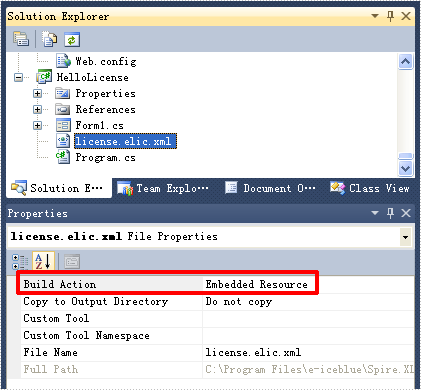
Including the license file as an embedded resource into one of the assemblies that calls our products is a good idea. It will make your release and deployment become easier. You don't need to worry about the loss of it any longer. To include the license file as an embedded resource in Visual Studio, perform the following steps:
- In the Solution Explorer, right-click your project and click Add | Add Existing Item... menu.
- Find your license file in the opend file browser dialog, then click the Add button to add it into your project.
- Select the file in the Solution Explorer and set Build Action to Embedded Resource in the Properties window.
- If your license file name is not the default file name license.elic.xml, invoke Spire.License.LicenseProvider.SetLicenseFileName to tell the real name to the license module in your code.
See also: How to Apply the License by license key
How to Apply the License File in a Web Site
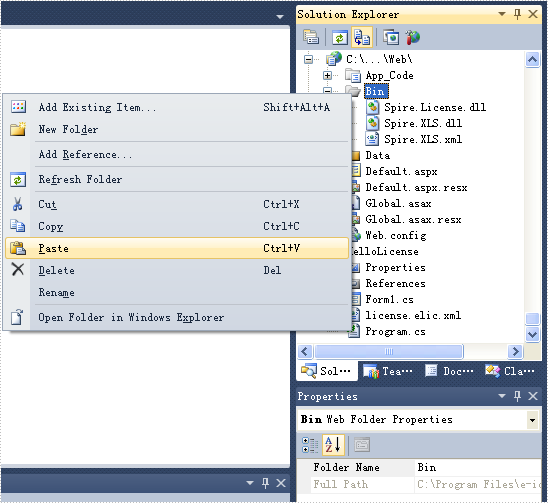
If you want to apply the license file in a web site, just copy it into the folder Bin which contains the referenced assemblies of your web site.
See also: How to Apply the License by license key
How to Apply the License by license key
Sometimes, your application could not read the license file because of lack of permission or other reason. In this case, you can invoke the method Spire.License.LicenseProvider.SetLicenseKey(String key) to apply your license. The parameter key is the value of the Key attribute of the element License of your license xml file. To make sure that apply the license before any operation with our products, we recommend invoking this method in the top of your entry method.
- C#
- VB.NET
//Register the license key
Spire.License.LicenseProvider.SetLicenseKey("your license key");
//Spire.Doc version 11.5.6 or above
Spire.Doc.License.LicenseProvider.SetLicenseKey("your license key");
//Spire.XLS  version 13.6.0 or above
Spire.Xls.License.LicenseProvider.SetLicenseKey("your license key");
//Spire.PDF version 9.6.0 or above
Spire.Pdf.License.LicenseProvider.SetLicenseKey("your license key");
//Spire.Presentation version 8.6.0 or above
Spire.Presentation.License.LicenseProvider.SetLicenseKey("your license key");
- Java
//Register the license key
com.spire.license.LicenseProvider.setLicenseKey("your license key");
//Spire.Doc version 12.1.10 or above
com.spire.doc.license.LicenseProvider.setLicenseKey("Key");
//Spire.XLS version 14.1.3 or above
com.spire.xls.license.LicenseProvider.setLicenseKey("Key");
//Spire.Presentation version 9.1.2 or above
com.spire.presentation.license.LicenseProvider.setLicenseKey("Key");
//Spire.PDF version 10.1.9 or above
com.spire.pdf.license.LicenseProvider.setLicenseKey("Key");
//Spire.Ocr version 1.9.3 or above
com.spire.ocr.license.LicenseProvider.setLicenseKey("Key");
//Spire.Barcode version 5.1.3 or above
com.spire.barcode.license.LicenseProvider.setLicenseKey("Key");
- C++
//Spire.Doc
Spire::Doc::License::SetLicenseKey("your license key")
//Spire.XLS
Spire::Xls::License::SetLicenseKey("your license key")
//Spire.Presentation
Spire::Presentation::License::SetLicenseKey("your license key")
//Spire.PDF
Spire::Pdf::License::SetLicenseKey("your license key")
- Python
from spire.xls.common import *
//Spire.XLS
License.SetLicenseKey("your license key")
- If your application is WinForm Application or Console Application, this code above should be added into the Main method.
- If your application is ASP.NET Application, you need to add Global.asax into your project and add this method code above into the Application_Start method.
- If your application is ASP.NET Core Application, this code above should be added into the Startup method of Startup.cs.
How to Apply two licenses or more
When you need to use two products in the same project,such as Spire.Doc and Spire.XLS, Spire.Presentation and Spire.XLS, you need to download Spire.Office to use them together and there is no need for you to purchase Spire.Office. Please refer to how to apply two license to use Spire.Office normally by applying the license files you purchased.
If you apply your 2 licenses or more by license key, you can invoke the following method in the top of your entry method.
- C#
- Java
Spire.Doc.License.LicenseProvider.SetLicenseKey("your license key");
Spire.Doc.License.LicenseProvider.LoadLicense();
Spire.Xls.License.LicenseProvider.SetLicenseKey("your license key");
Spire.XLs.License.LicenseProvider.LoadLicense();
Spire.Pdf.License.LicenseProvider.SetLicenseKey("your license key");
Spire.Pdf.License.LicenseProvider.LoadLicense();
Spire.Presentation.License.LicenseProvider.SetLicenseKey("your license key");
Spire.Presentation.License.LicenseProvider.LoadLicense();
If you apply them by license file, you can invoke the following method:
- C#
Spire.License.LicenseProvider.SetLicenseFileName("license1.elic.xml");
Spire.License.LicenseProvider.LoadLicense();
Spire.License.LicenseProvider.SetLicenseFileName("license2.elic.xml");
Spire.License.LicenseProvider.LoadLicense();
